AI and the New Era of Information Access
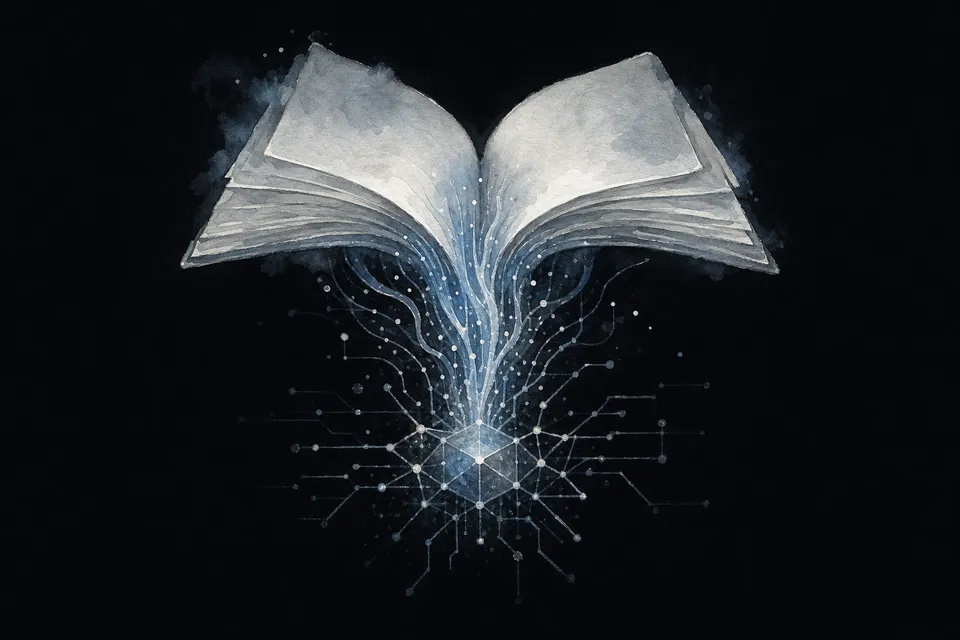
Hey hey, it’s him again, and perhaps the greatest revolution AI brings is not how smart it is, but how rapidly the way humans access knowledge is changing
From static pages to a dynamic world
Ten years ago, if someone wanted to understand something deeply, they usually looked for a book. Reading was almost the default path to access knowledge. But then smartphones appeared, podcasts appeared, short videos appeared, and virtual reality appeared. Humans began to read less, listen more, see more, and interact more. Knowledge no longer sat quietly on paper. It began to speak, to move, and to answer readers’ questions
AI is simply the final piece that makes that process complete. In the past, people had to sift through hundreds of pages of documentation to find an answer. Now, knowledge can be compressed, personalized, and presented in the way that best fits each individual. In the coming months, someone sitting on a morning subway train might listen to a history book summary, watch a quantum physics simulation, and chat with an AI assistant about Greek philosophy all at once. The amount of content they absorb in a week could equal dozens or even hundreds of books of the previous generation
The scarcity of attention
But when knowledge becomes as abundant as air, the scarcest resource is no longer information, but attention. This is a challenge for content creators, as they must compete with countless new formats. This is also a challenge for recipients, as they must learn to filter rather than just absorb. And this is a challenge for administrators, as the speed at which ideas spread is now faster than at any other period in human history
Redefining difficulty
Things that were hard before are now easy. Learning a new language, writing software, editing videos, or researching an unfamiliar field is being democratized at an astonishing rate. Things that were once impossible are now only hard problems. And things that are still impossible today might, in a few years, be as ordinary as sending an email or making a phone call
If the world order is truly being rearranged by AI, the new boundary will not lie between countries, but between those who know how to leverage AI to expand their own capabilities and those who do not. The next competition will probably not be between humans and AI, but between those who use AI better, faster, cheaper, and with more personalized data
And like every previous revolution, AI will not ask humans if they are ready. It will simply keep moving forward. The remaining question is, when that train rolls out, which carriage each person will sit in
❤️ cowriter aethery