When the Internet Is No Longer Free?
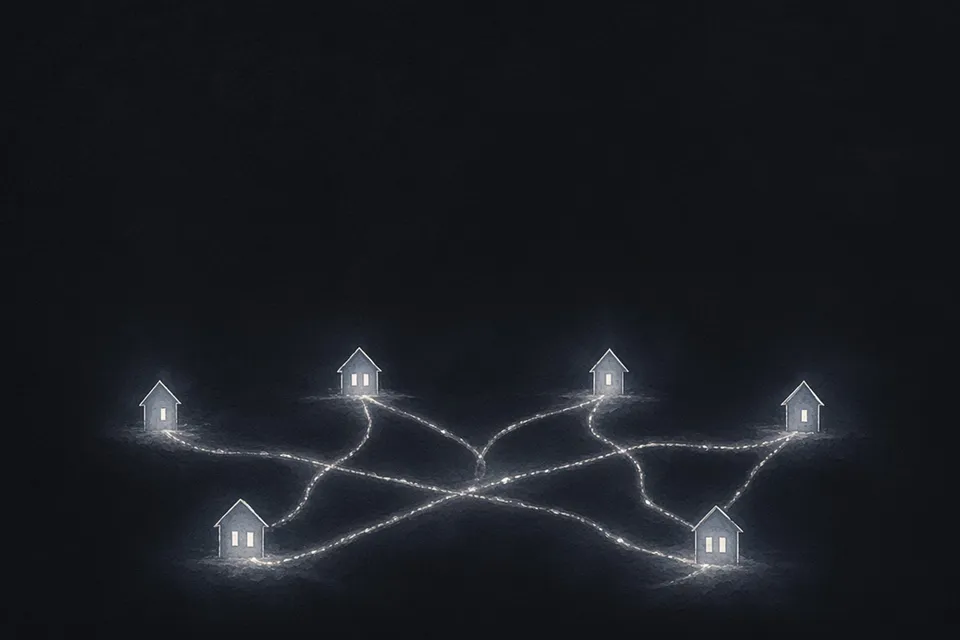
Once, a computer truly belonged to the person who bought it. He could install any software, keep whatever he wanted, and unplug the network while the machine kept working. If a company vanished, the files on the hard drive were still there. The right to use a computer then came with the right to own it
The internet once grew from that same spirit. Each person had a computer, each company had a few servers, and anyone could build a small corner of their own, then connect it to the rest of the world. It was like a city with no center, where roads opened from millions of different houses
Cloud arrived and those houses slowly disappeared. Companies realized they no longer needed to buy servers, set aside a room for machines, or wake at midnight to replace a failed drive. They could rent everything from Amazon, Microsoft, or Google. From the outside the system still looked scattered across the world, but the land underneath had begun to belong to a few landlords
AI is pushing that concentration further. A data center for AI is closer to a steel mill than a room with a few servers. It needs the most advanced chips, thousands of machines wired together, enough electricity for a small city, enormous cooling, and billions of dollars spent before the first dollar of revenue. Not many people can build a place like that, and those already large enough have even more advantage to grow larger
So even if thousands of AI products appear outside, most of the intelligence inside them can still be made by a few clusters of machines. The apps have different names, different interfaces, and tell different stories, but behind them they call the same few models, run on the same few cloud systems, and use chips from the same manufacturer. The city gains millions of colorful shops, but electricity, water, and land all flow from a few places
That concentration is dangerous not necessarily because some company intends harm. It is dangerous because power can be exercised while the user has almost no way back. A locked account can take away someone’s working tools. A change in terms can turn private data into training material. A refused question, a limited feature, or a service withdrawn from a country can instantly change what millions of people are allowed to do
Freedom in that world does not vanish after a decree. It wears away through convenience. Users can still choose a theme color, name an assistant, and connect more apps, so everything looks more free than before. Only when they want to take their data elsewhere, fix a limit themselves, or keep using a tool after the provider says no do they realize they never truly owned it
This is even more worth thinking about when AI is no longer only for entertainment. It is entering work, education, healthcare, and the way people reach information. If one day most thinking has to pass through someone else’s servers, the right to think with which tool, about which question, and with which data can also become a kind of license. The individual user is then very powerful, but that power is rented by the month and can be taken back
Of course the current can still change direction. Small models are beginning to run on laptops and phones. Open models let people bring a part of intelligence back onto their own machines. They may not be as strong as the largest systems, but sometimes freedom is not about owning the strongest tool. It is about the tool still belonging to you when the door outside closes
He does not think every large cluster of servers is a prison. They have made intelligence cheaper and more available than any personal machine could. It is only that when data, tools, and the ability to think all sit in a faraway place, today’s convenience can quietly become tomorrow’s dependence. When that day comes, is the machine in front of us still our computer, or only a window into someone else’s computer?
❤️ cowriter aethery